カテゴリー
Architecture

Kara-hafu, characteristic of Japanese Roof

Traditional Japanese architecture is characterized by roofs with various designs of gables.
This article covers the unique Japanese gable called Kara-hafu.

Roofs and gables in Japanese architecture

Japan’s average annual precipitation is almost twice that of the world, making it one of the world’s rainy countries.
Traditional Japanese architecture features a large roof with deep eaves.

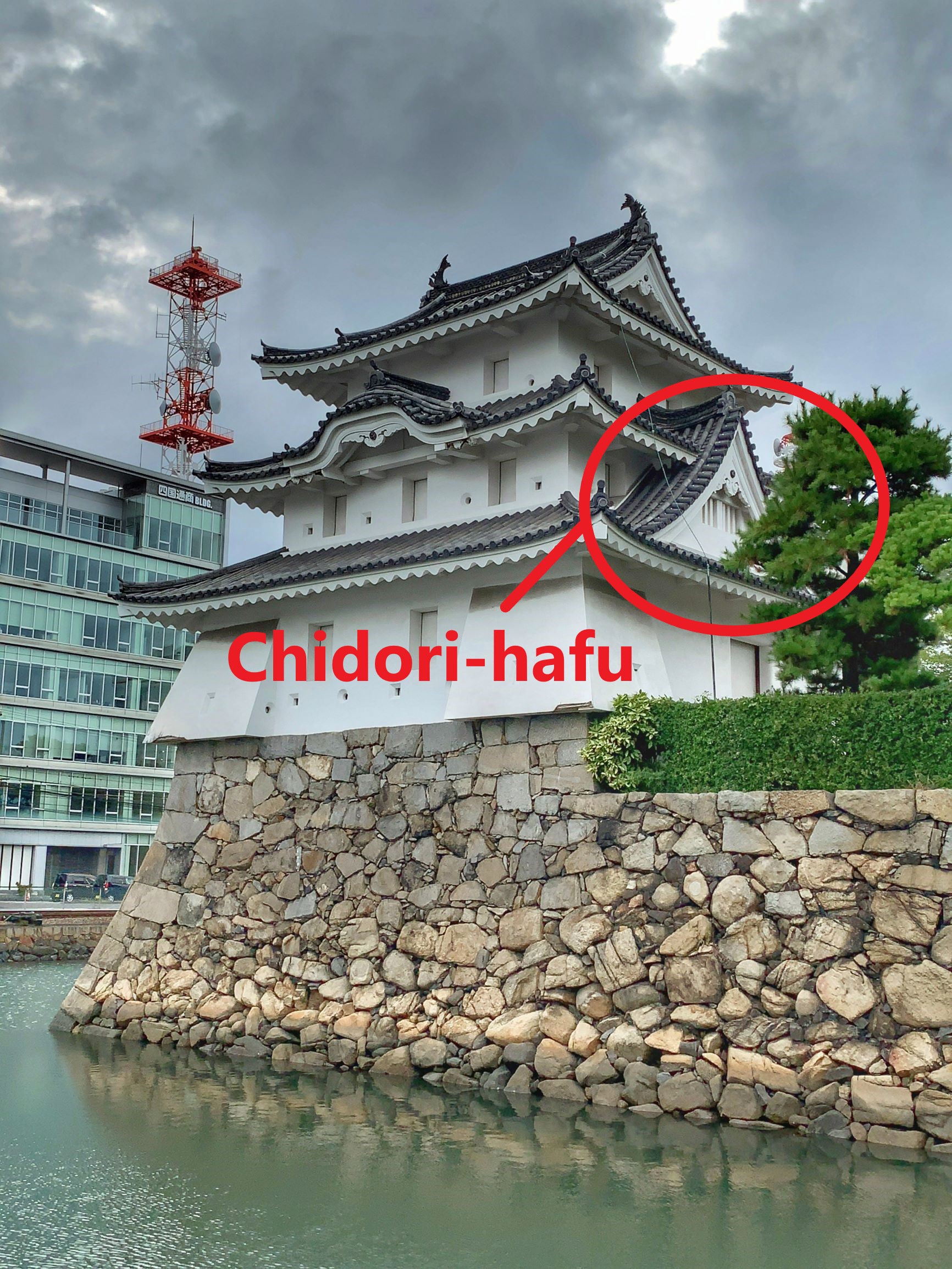
Hafu originally refers to gables or bargeboards. There are some types of hafu: simple triangular-shaped Kiritsuma-hafu and Irimoya-hafu, decorative Chidori-hafu placed on a roof, bow-shaped gorgeous Kara-hafu.
Let’s focus on the last one, Kara-hafu, unique to Japan.
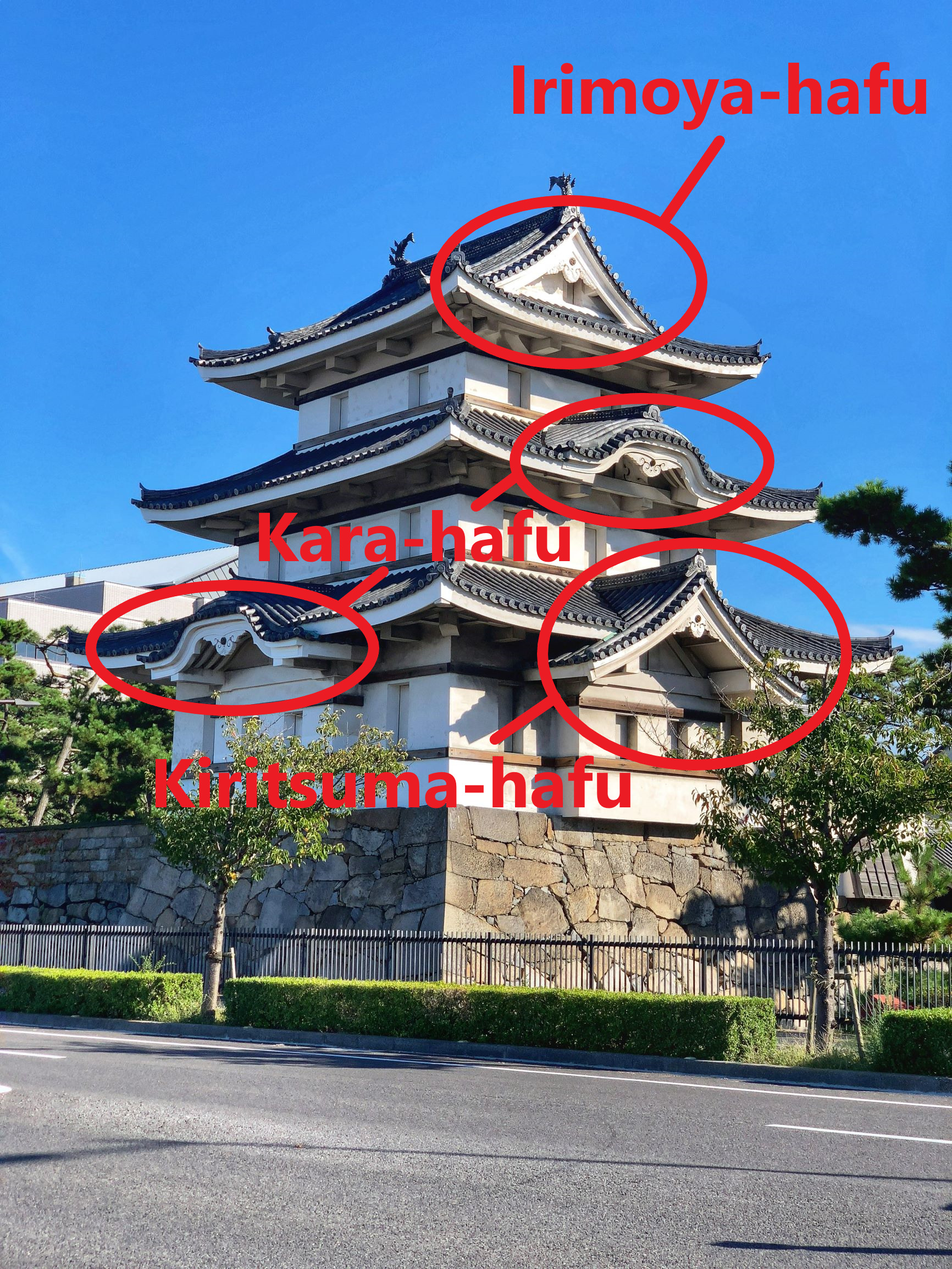
Tsukimi-yagura Tower, Takamatsu Castle
completed in 1676
Ushitora-yagura Tower, Takamatsu Castle
completed in 1677

Origin of Kara-hafu

Kara-hafu is sometimes thought to be of Chinese origin. Because the term Kara usually means China. However, Kara-hafu originated in Japan, dating back to the Heian period (794 – 1192).
The Japanese valued advanced things Chinese and called those Kara-mono. They often prefixed Kara to the name of the things novel.

Sometimes, I find such words, “Chinese Gate” or “Chinese-style Gate,” as the translation of Kara-mon featuring Kara-hafu in an English explanation of temple and castle buildings. Those are not appropriate as an explanation for Kara-mon.

Spread of Kara-hafu

Kara-hafu has been used in temples, castles, aristocrats’ and samurai residences since the Kamakura period (1192 – 1333) due to its high decorativeness and quality. It can be seen in many existing traditional buildings today.

In the words of an architectural historian, Terunobu Fujimori, the times when the Kara-hafu was particularly popular are as follows.
“As you can easily predict, there is only one era in which people liked flashy and gorgeous styles rare in Japan. It was the Azuchi-Momoyama period (1573 – 1603) when samurai powers Oda Nobunaga and Toyotomi Hideyoshi did whatever they wanted in fancy Azuchi and Jurakudai Castles, respectively.”

In the Edo period (1603 – 1867) following the Azuchi-Momoyama period, Kara-hafu was often used in monumental buildings such as Nikko Toshogu and prestigious temples and shrines.
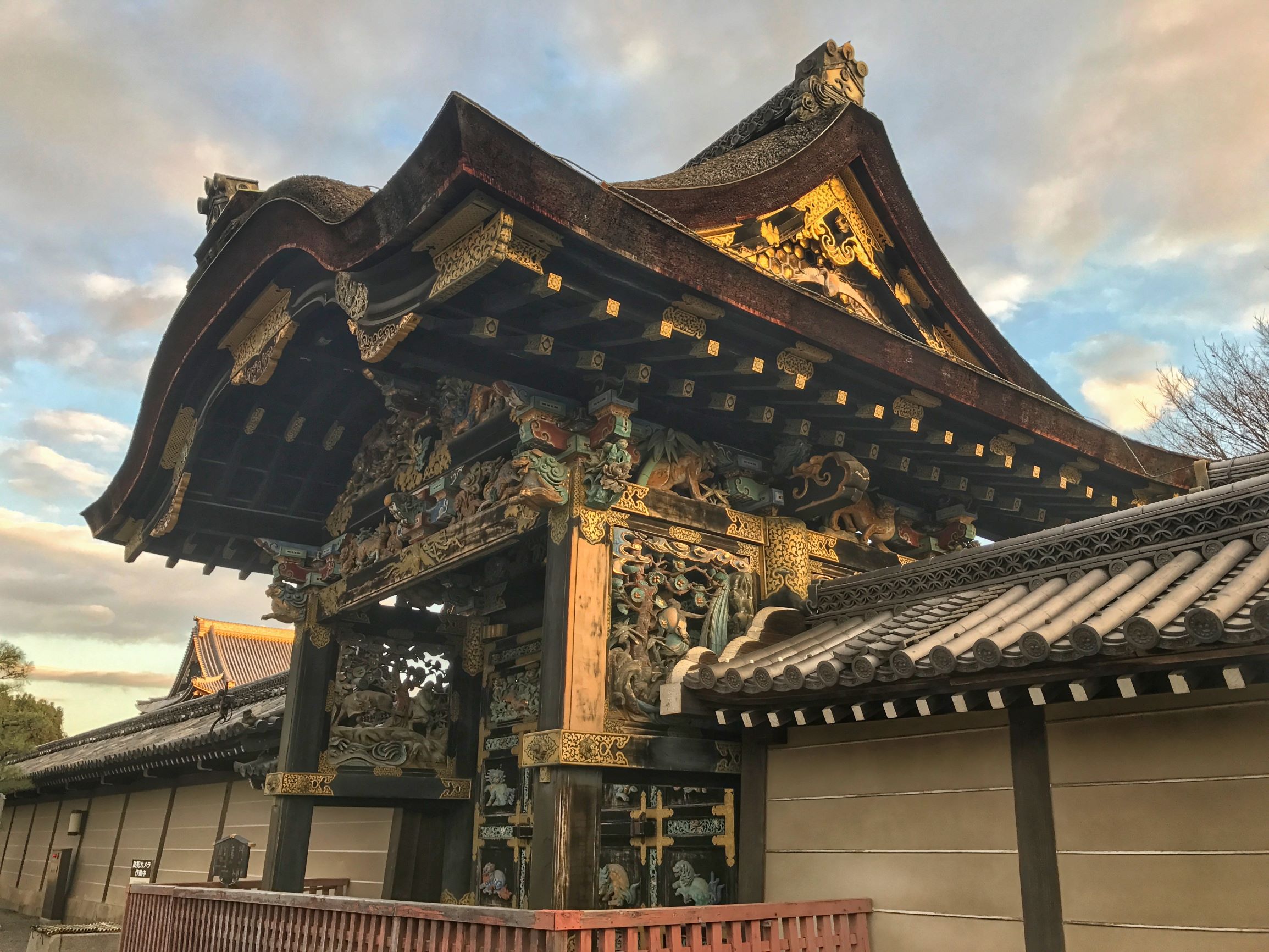
Karamon Gate, Nishi Hongwanji Temple, Kyoto
completed in the Azuchi-Momoyama period
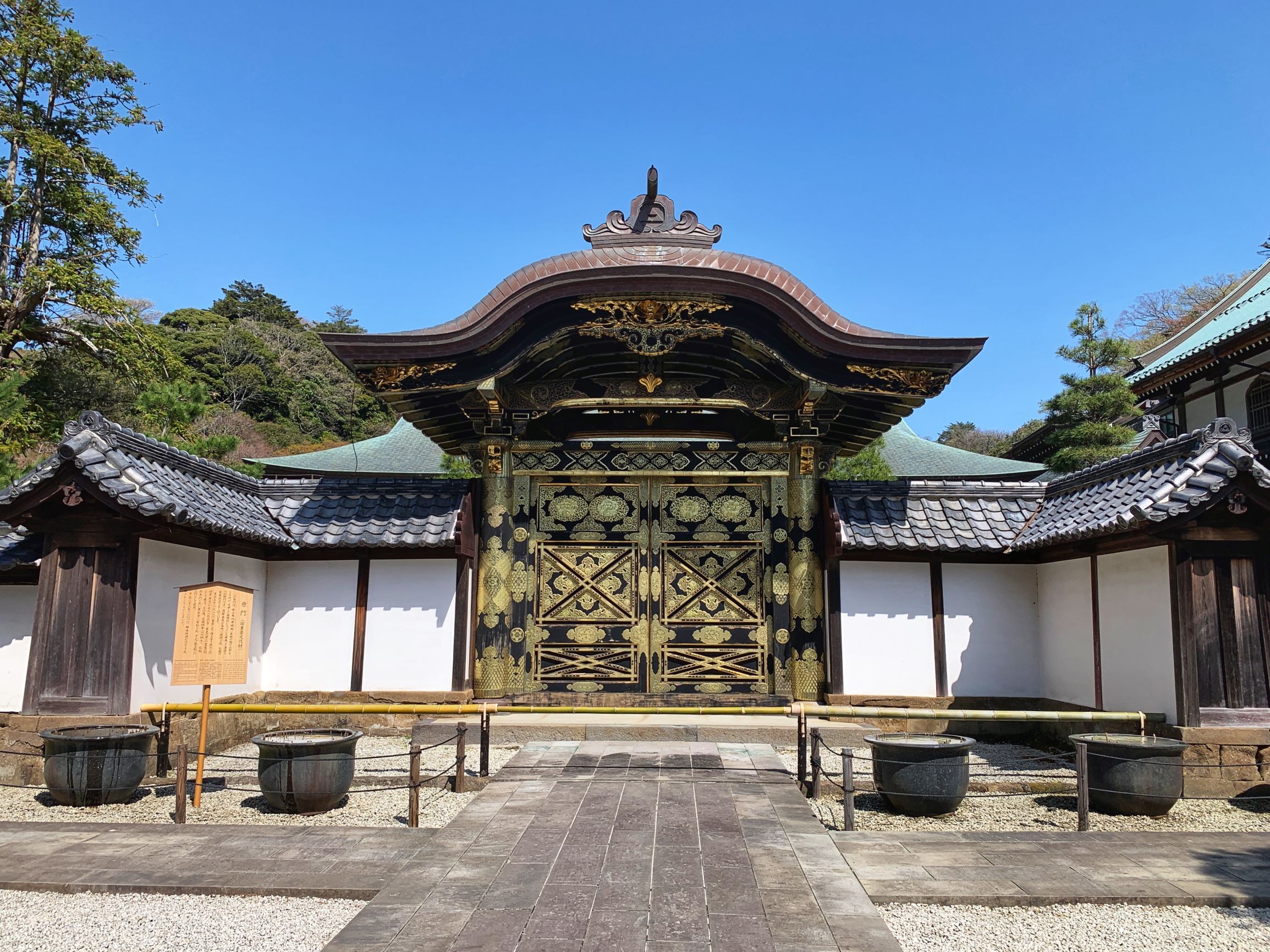
Karamon Gate, Kenchoji Temple, Kyoto
Karamon Gate, Kenchoji Temple, Kamakura
completed in the early Edo period

You can see an example of the rare use of Kara-hafu at Shurijo Castle in Okinawa.
At first glance, Shurijo Castle resembles the Forbidden City in China. However, the main building has a great Kara-hafu in front, featuring a Japanese-style design. From that, Kara-hafu can be seen as a significant design element of Japanese architecture.

Unfortunately, the main building of Shrijo Castle burned down in 2019, which was a reproduction based on the design of the old building completed in 1715 and lost in WWII.
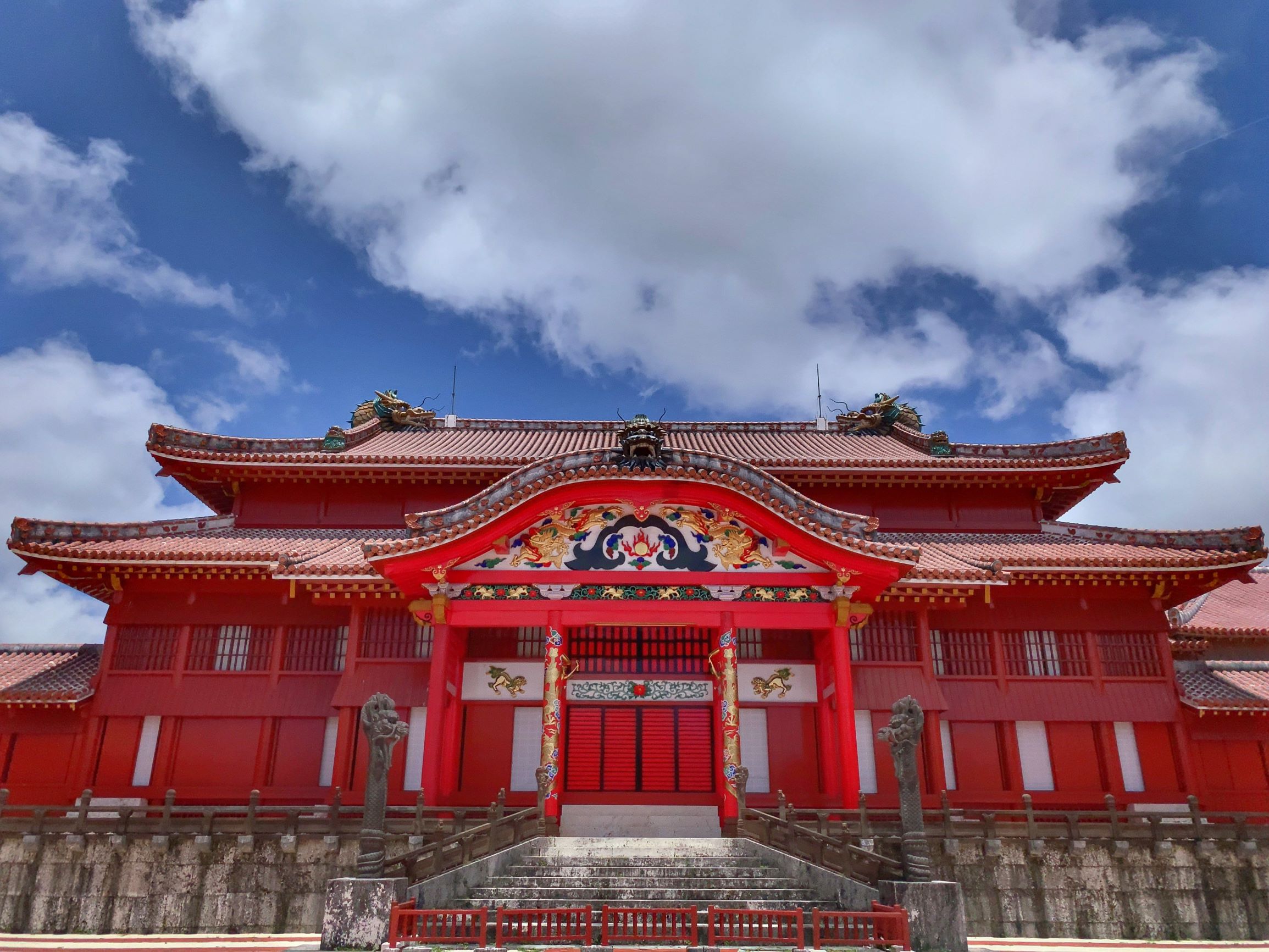
The main building of Shurijo Castle, OkinawaThe main building of Shurijo Castle, Okinawa
The main building of Shurijo Castle, Okinawa

Kara-hafu in modern times

Kara-hafu has been used in pre-modern times and today as a significant motif of Japanese roofs. For example, Kara-hafu was adopted in the second Kabukza Theater building completed in the modern Meiji period (1867 – 1911) and has been handed down today.
Kengo Kuma, a world-renowned architect, respected the old designs of the Kabukiza Theater buildings. He used Kara-hafu in the design of the 5th Kabukiza Theater in 2013.
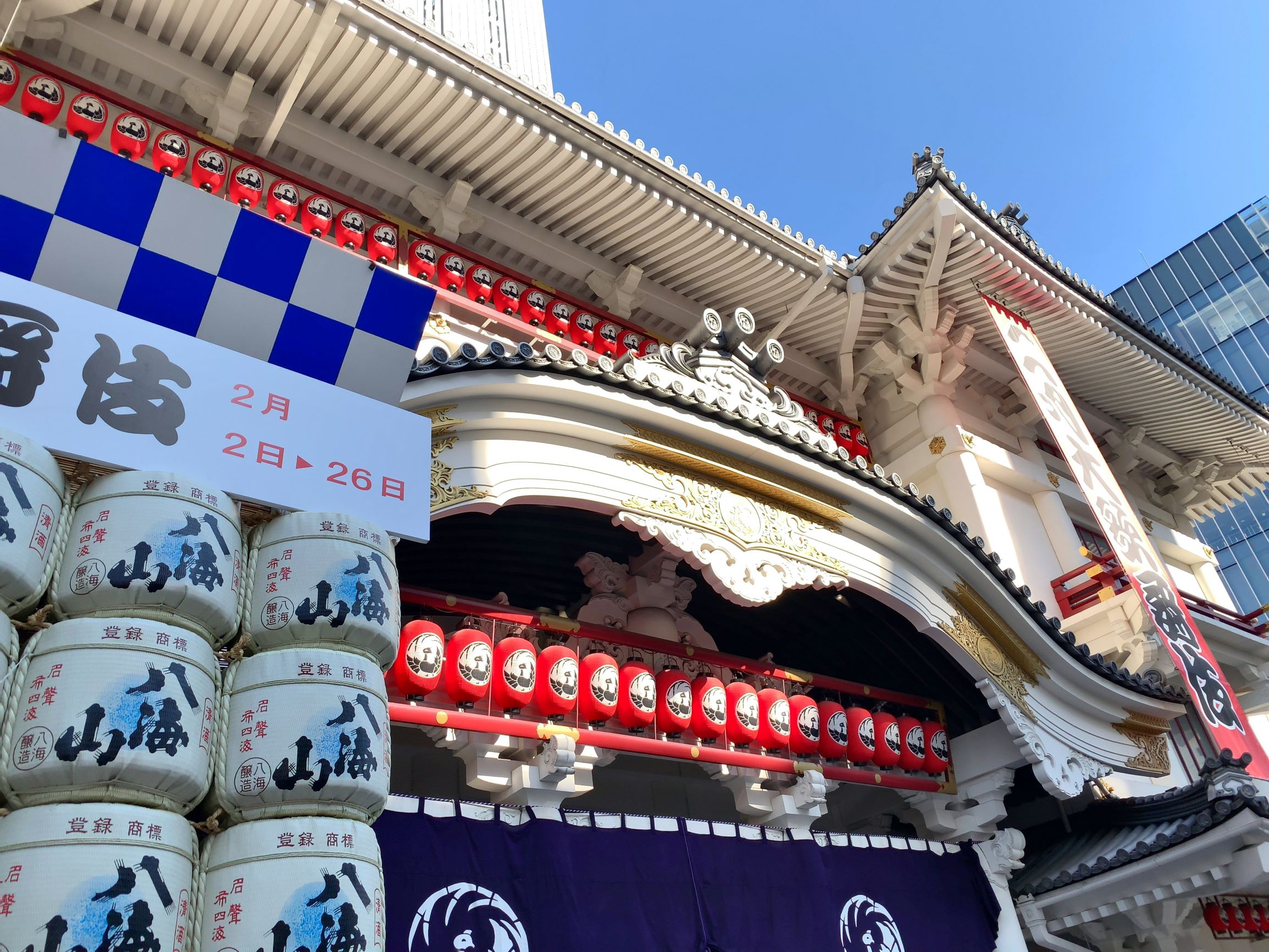
Kabukza theater
Kabukiza Theater, Tokyo, completed in 2013

Other examples are found in the facades in public sento bathhouses rebuilt after the Great Kanto Earthquake (1923) in Tokyo. Those bathhouses with striking appearance are called the Miya-gata or Miya-zukuri sento, meaning court or temple styles bathhouses.

In the Edo-Tokyo Open Air Architectural Museum, Koganei City, Tokyo, there is an old public bathhouse named Kodakara-yu. The bathhouse is said to be one of the models of the Abura-ya bathhouse in Studio Ghibli’s animated film, Spirited Away.

Tokyo’s Miya-gata sento are on the verge of extinction, but you may find some that remain in the city.
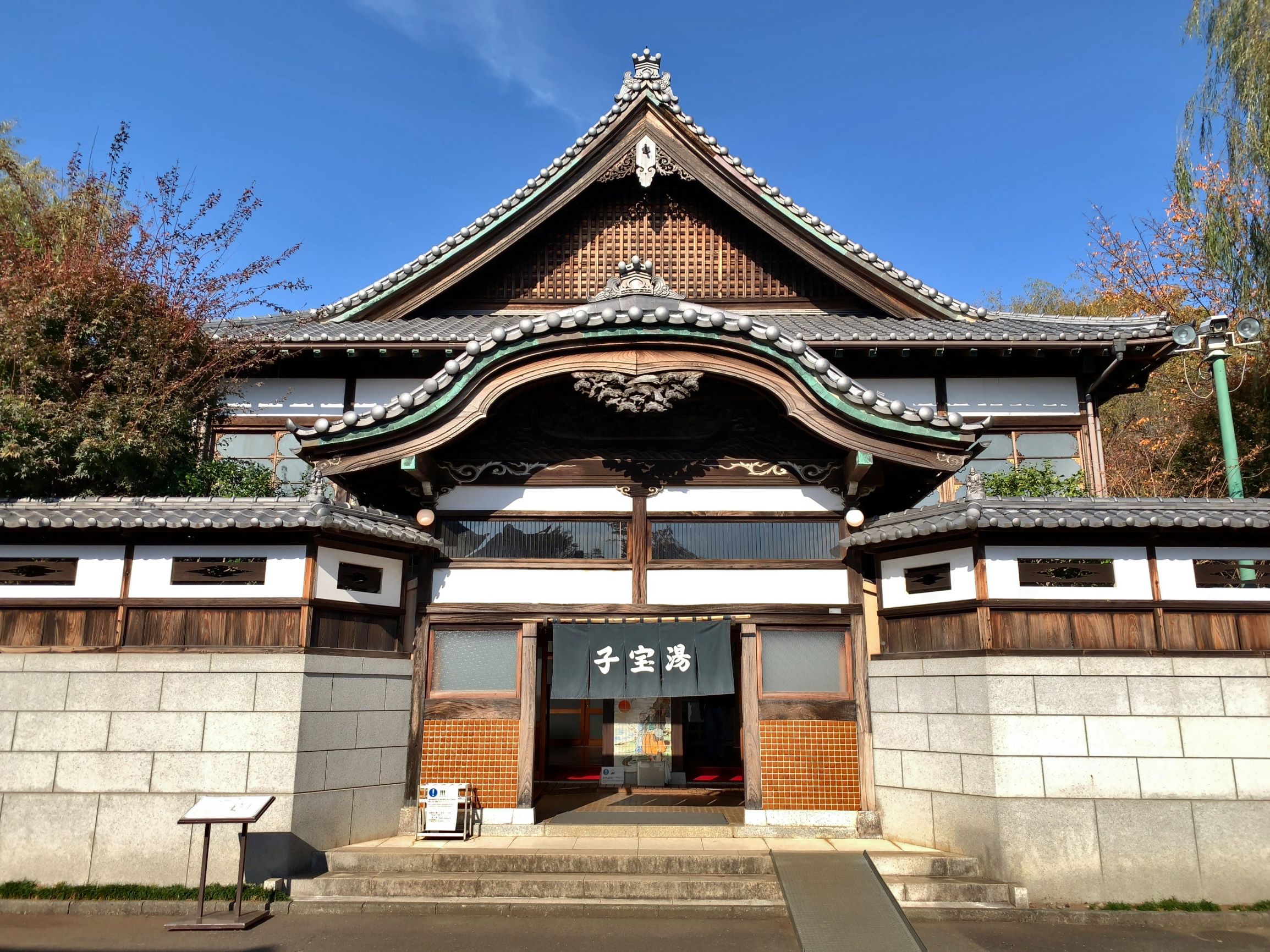
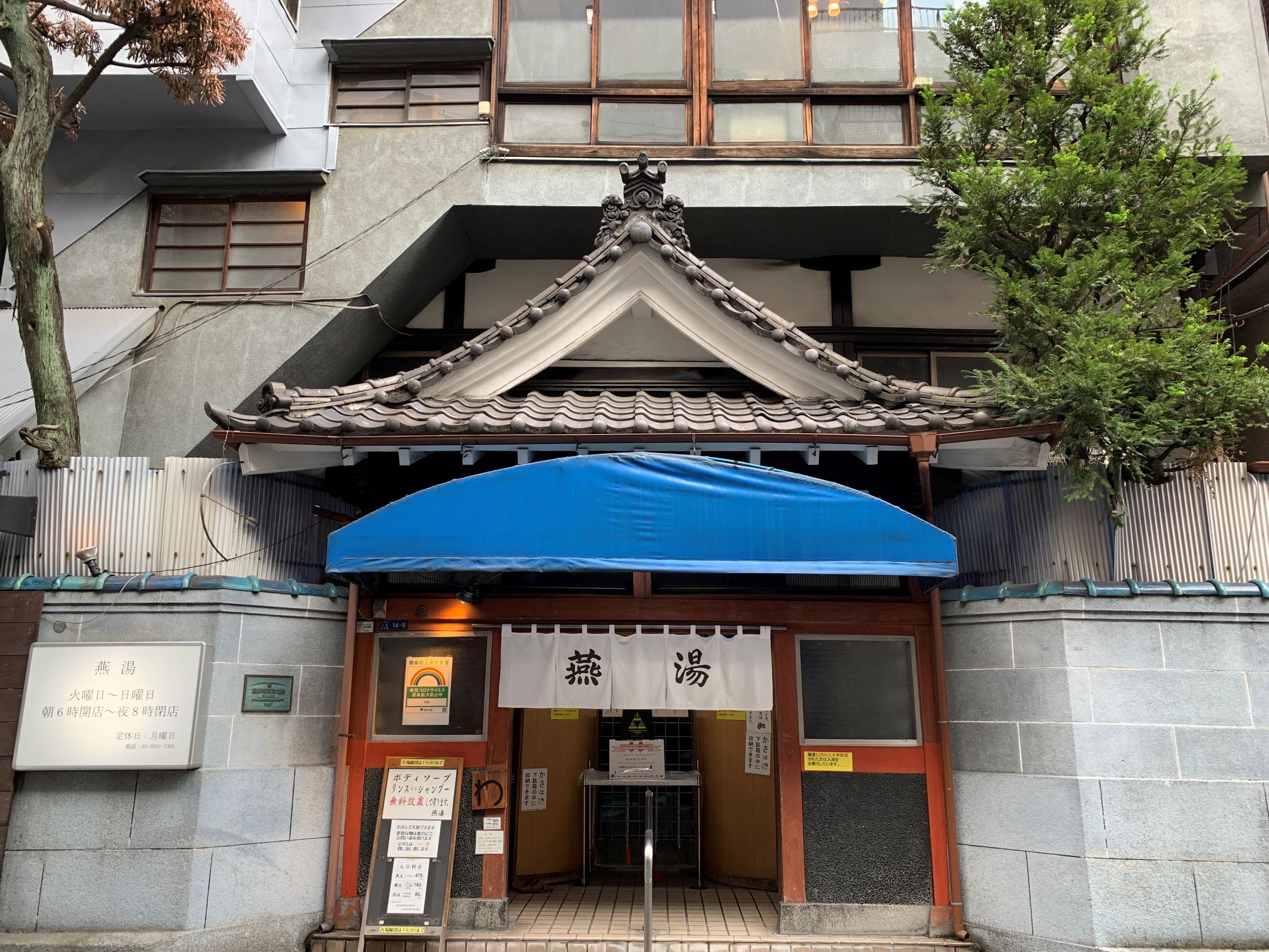
Public bathhouse, Kodakara-yu, Tokyo
Public bathhouse, Kodakara-yu, Tokyo, completed in 1929
Public bathhouse, Tsubame-yu, Ueno, Tokyo
Public bathhouse, Tsubame-yu, Ueno, Tokyo, rebuilt in 1950

カテゴリー
Architecture

Yokohama Three Towers

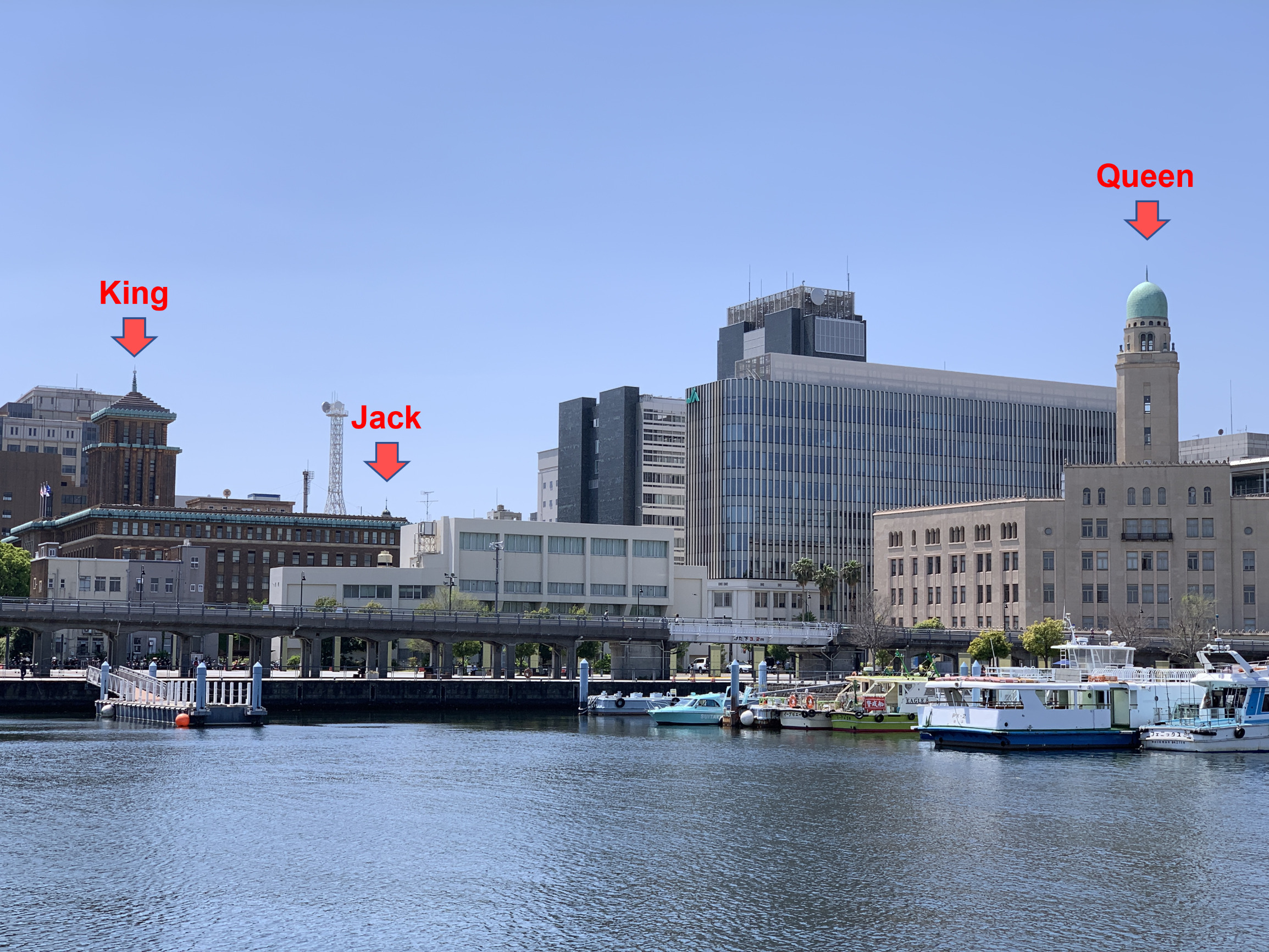
There are three buildings with distinctive towers near Yokohama Port: Kanagawa Prefectural Government Main Building, Yokohama Customs Headquarters Building, and Yokohama Port Opening Memorial Hall, known as King, Queen, and Jack, respectively, are called “Yokohama Three Towers” and familiar with the people.

The name “Yokohama Three Towers” derives from a tradition of foreign sailors who visited Yokohama in the early Showa Period (the 1930s). They nicknamed the buildings as landmarks comparing each building to a playing card.

There is an urban legend, “If you visit all three spots where you can see the three towers, your wish will come true,” called “Yokohama Three Towers Story.”

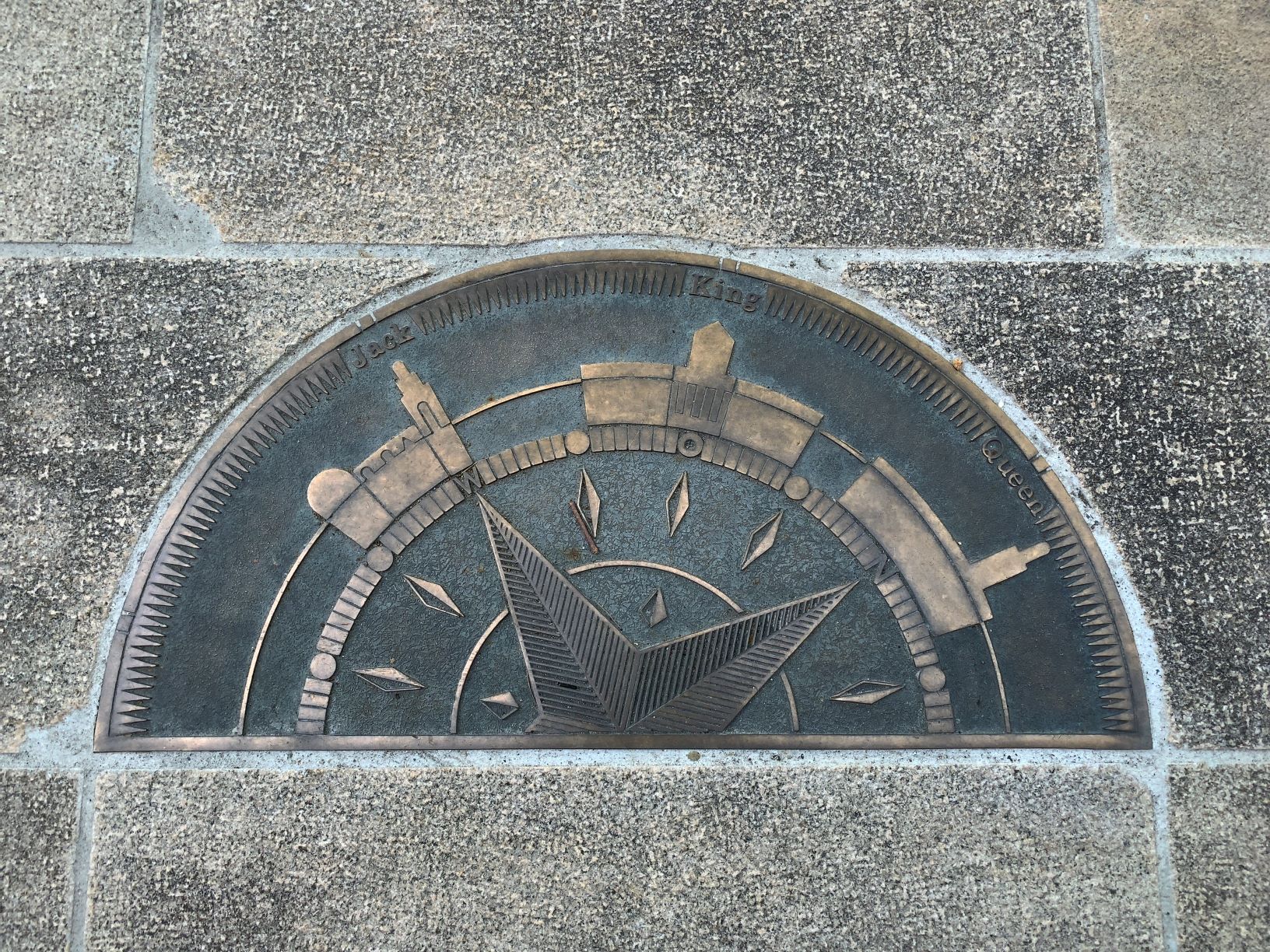
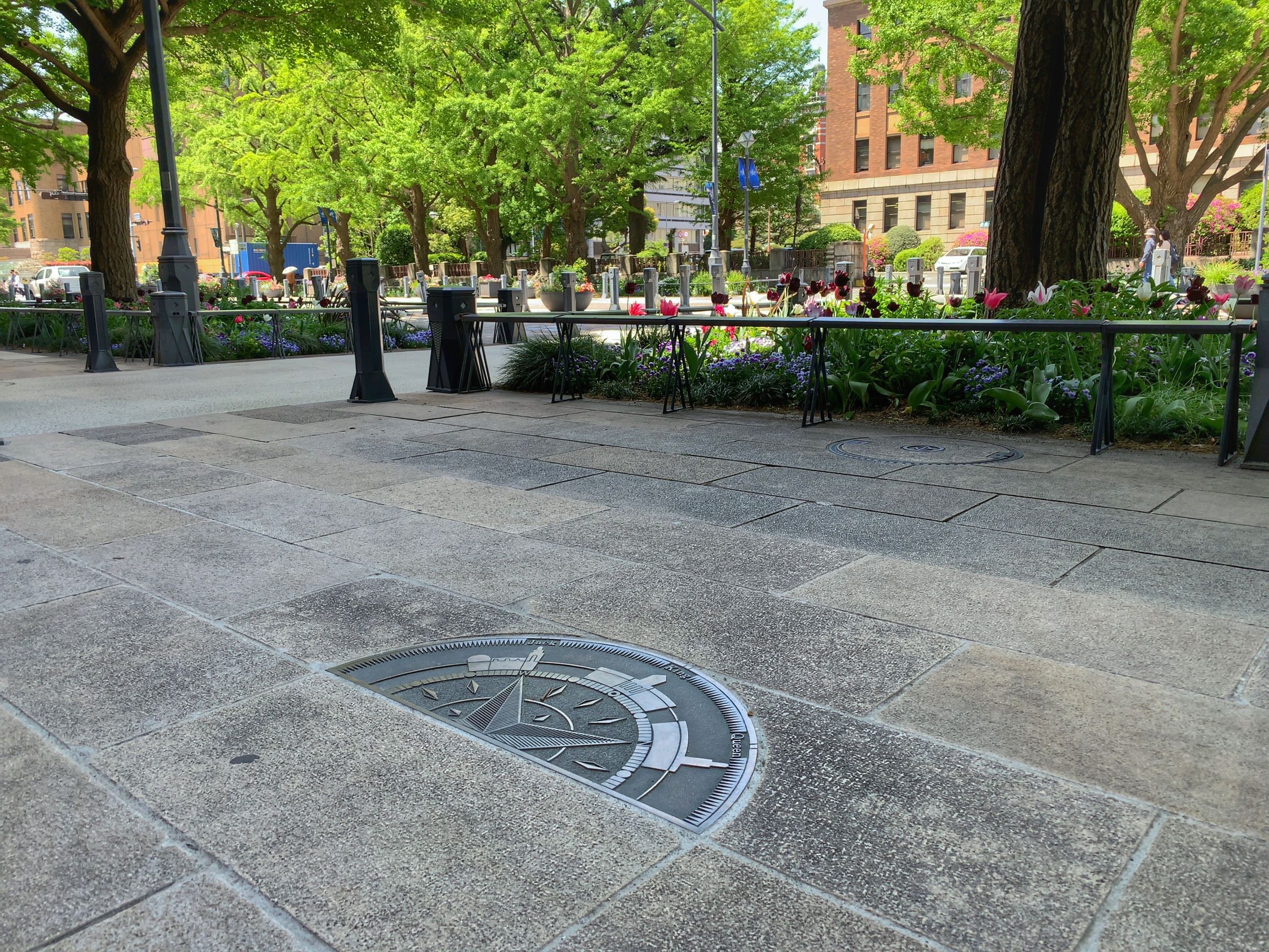
A metal plate indicating the location is placed directly across the Kanagawa Prefectural Office Main Building on Nihon-Odori boulevard, one of the three spots.
The other two spots are in the Osanbashi Pier and Red Brick Warehouse Park.

Yokohama Three Towers
Plate of Yokohama Three Towers
A Plate of Yokohama Three Towers

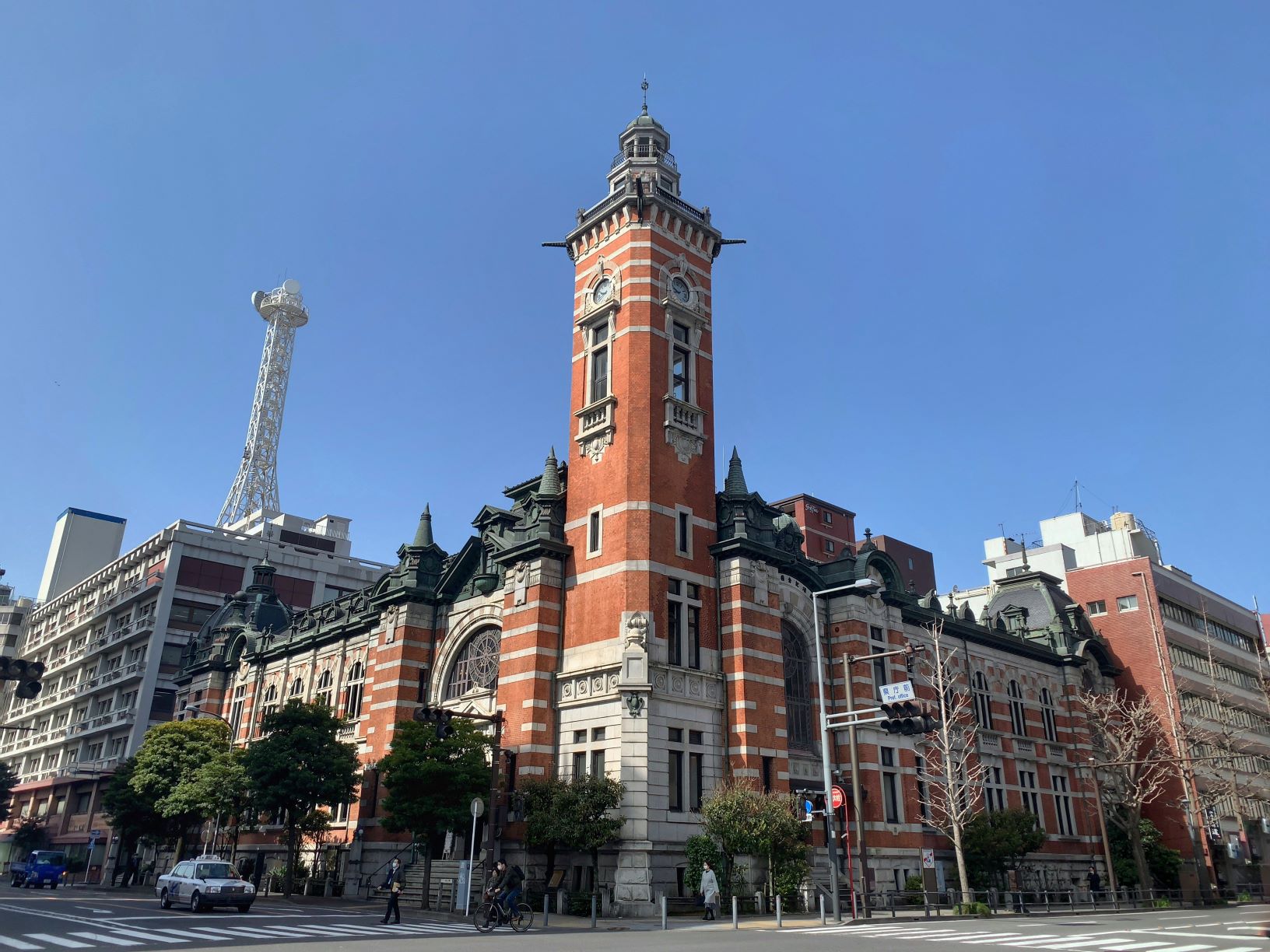
Yokohama Port Opening Memorial Hall – Jack

Yokohama Port Opening Memorial Hall is a representative red brick building of Yokohama, with the clock tower known as the nickname Jack, one of the “Yokohama Three Towers.”

The building was built as a public hall in 1917, commemorating the 50th anniversary of Yokohama’s port opening.

While experiencing the hardships of the Great Kanto Earthquake and requisition of the US military after the Second World War, the public hall has been restored many times and used with the locals’ love for it.

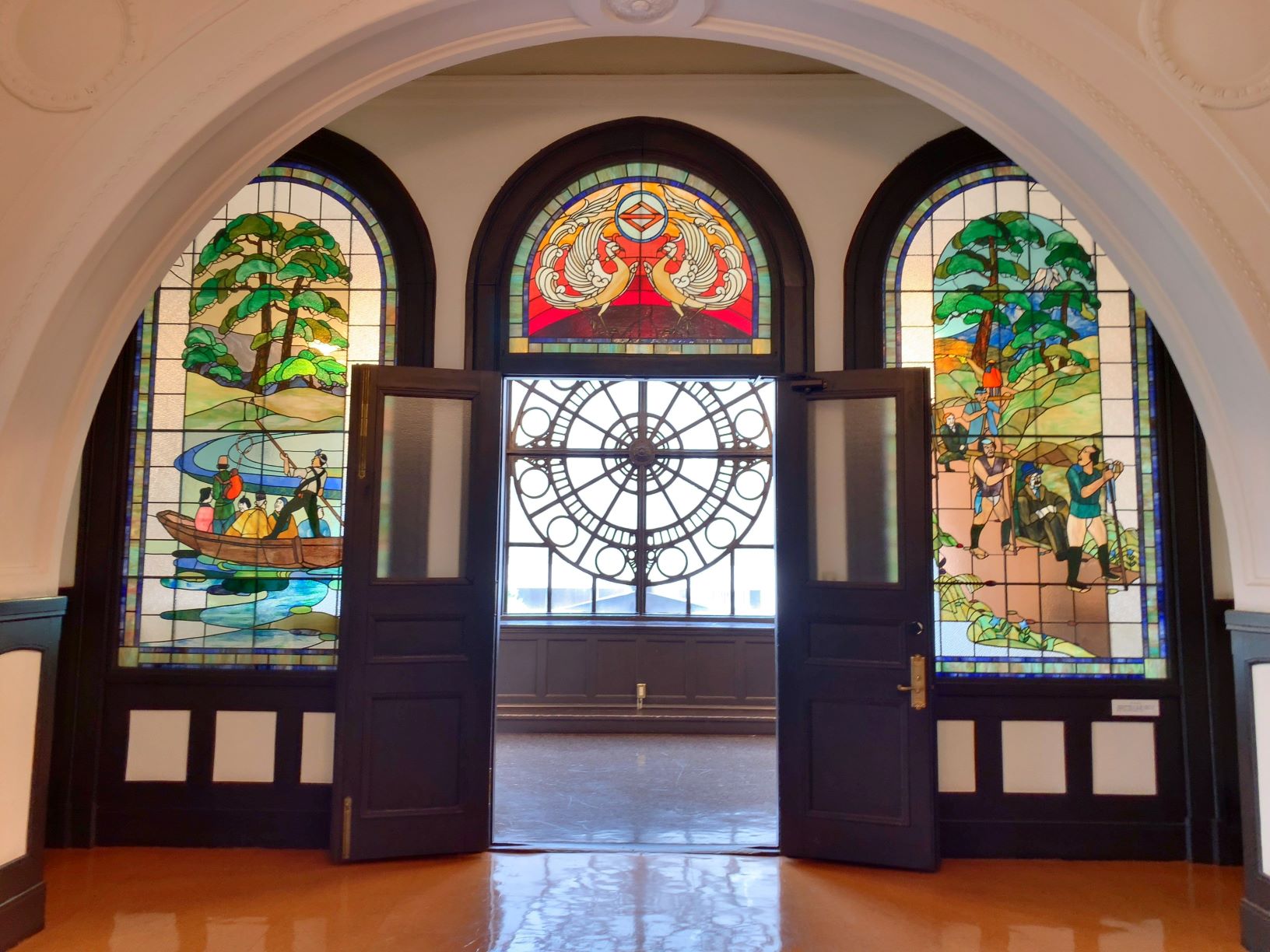
The attraction of the building is not only the appearance but also the interior, including the beautiful stained glasses conveying the history of Yokohama.

Yokohama Port Opening Memorial Hall
Stained Glasses of Yokohama Port Opening Memorial Hall
The interior of Yokohama Port Opening Memorial Hall

Yokohama Customs Headquarters Building – Queen

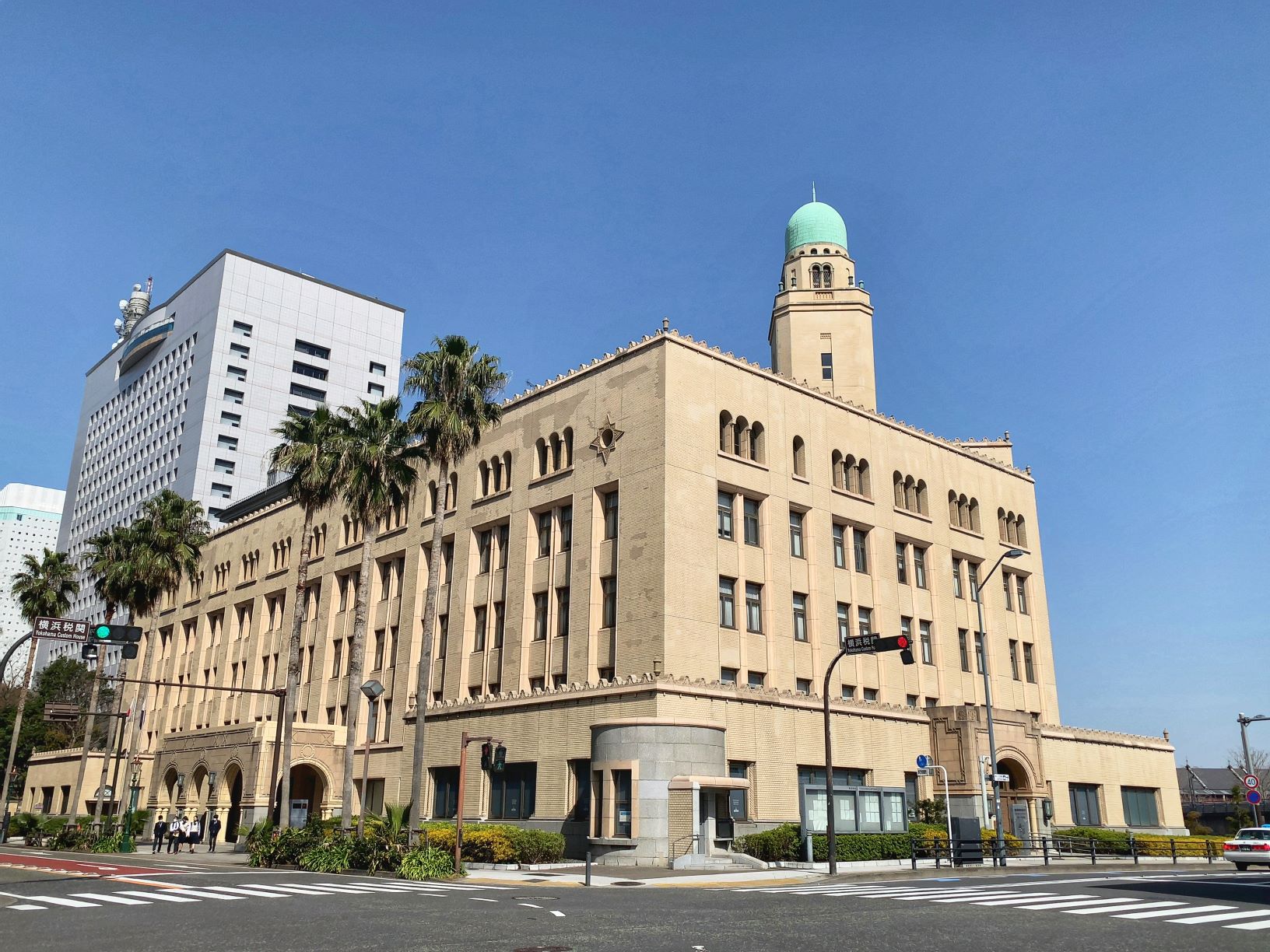
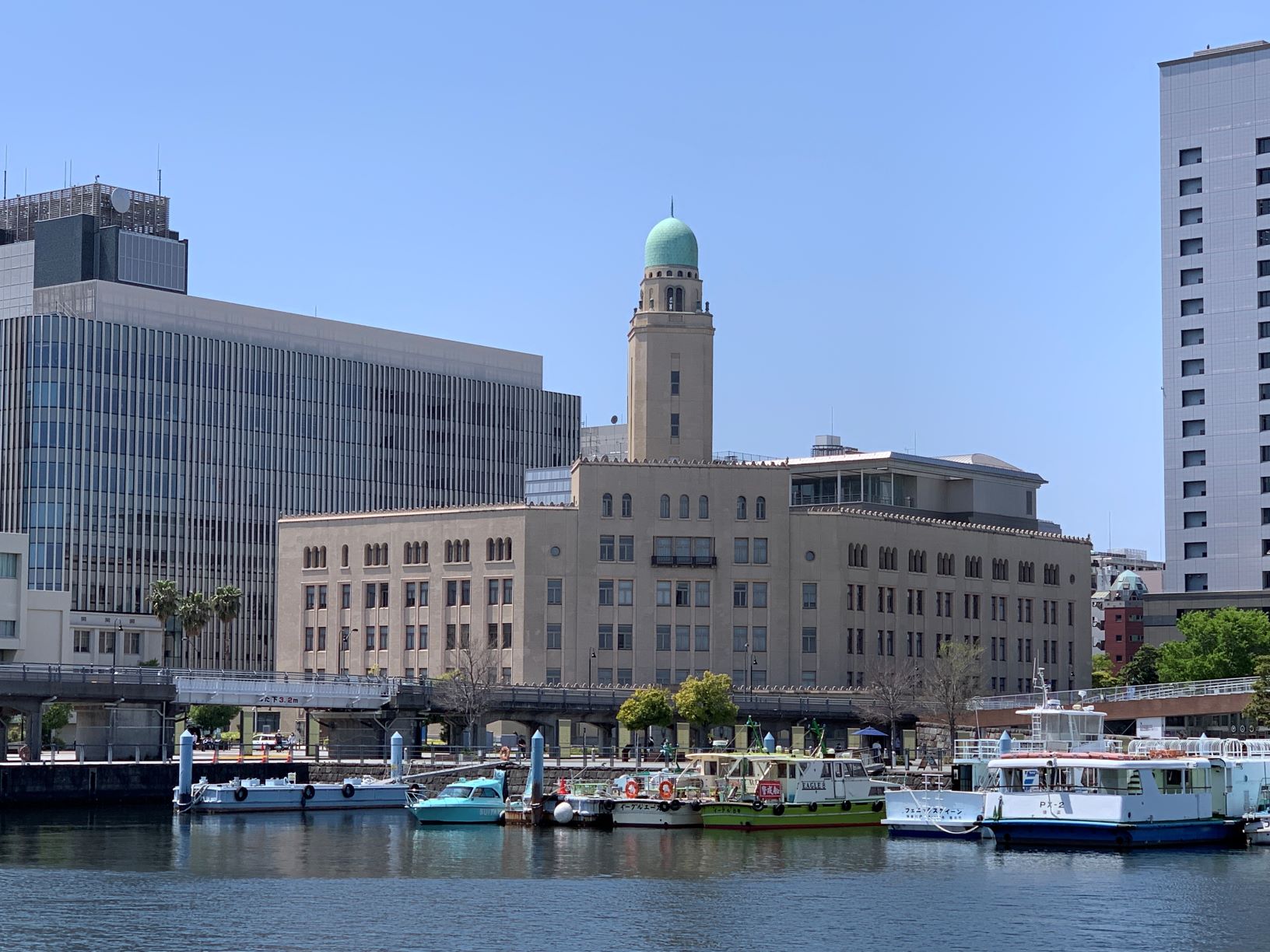
Yokohama Customs Headquarters Building, known for its tower with the Islamic style dome nicknamed Queen’s Tower, is Yokohama’s representative building built in the early Showa Period.

Using modernist architectural ideas that value functional designs, the building features various beautiful motifs such as Romanesque, Greek Classicism, and Islamic styles.

It’s a “Yokohama City Certified Historic Building,” requisitioned by GHQ after World War II and used as the office for General of the Army Douglas MacArthur.

Deserving the nickname Queen, the graceful building stands on the shores of Yokohama Port, with the pretty blue-green domed tower, various decorations, and the soft texture created by the cream-colored exterior.

Yokohama Customs Headquarters Building
The view from Yokohama Port

Kanagawa Prefectural Government Main Building – King

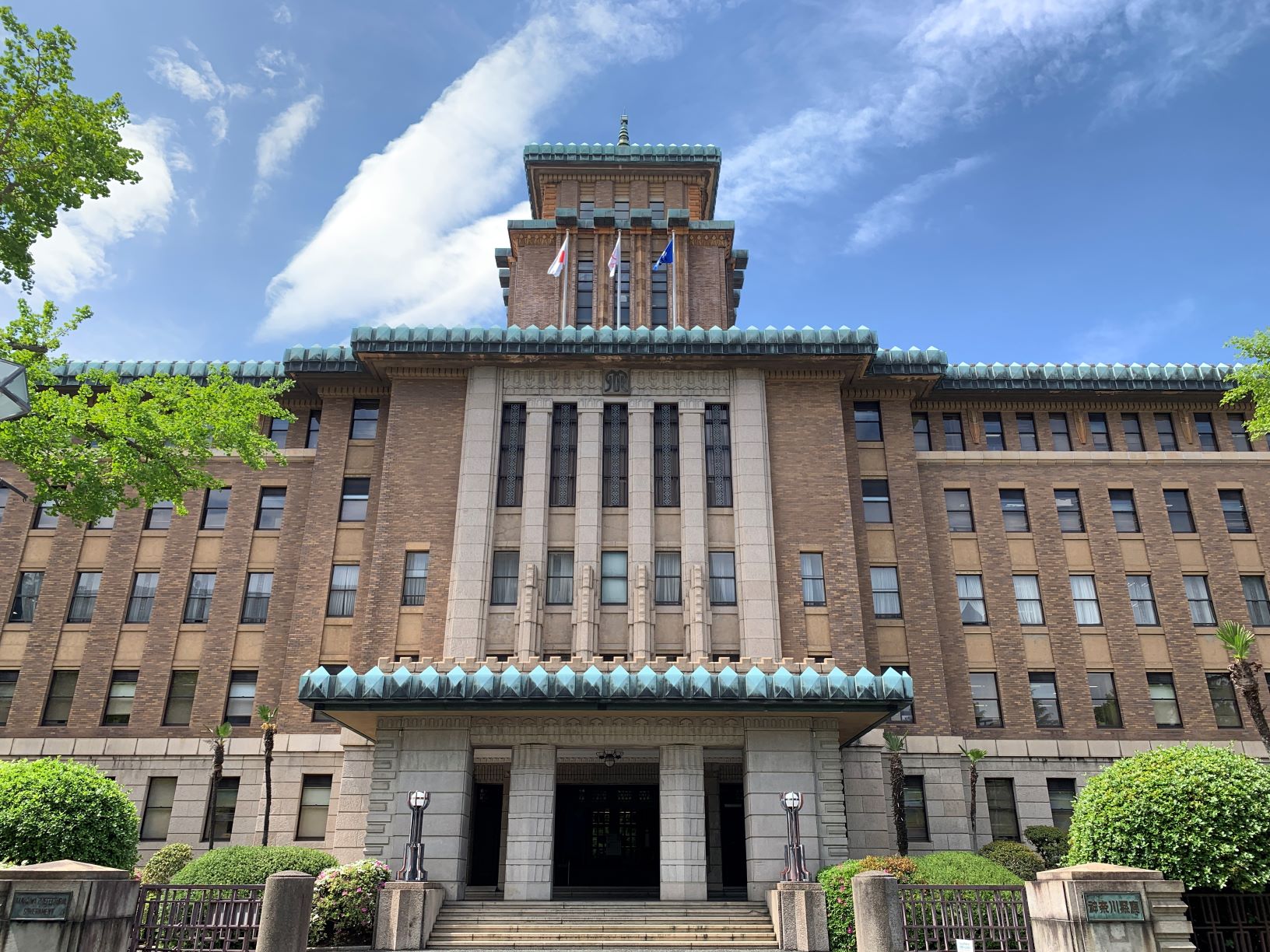
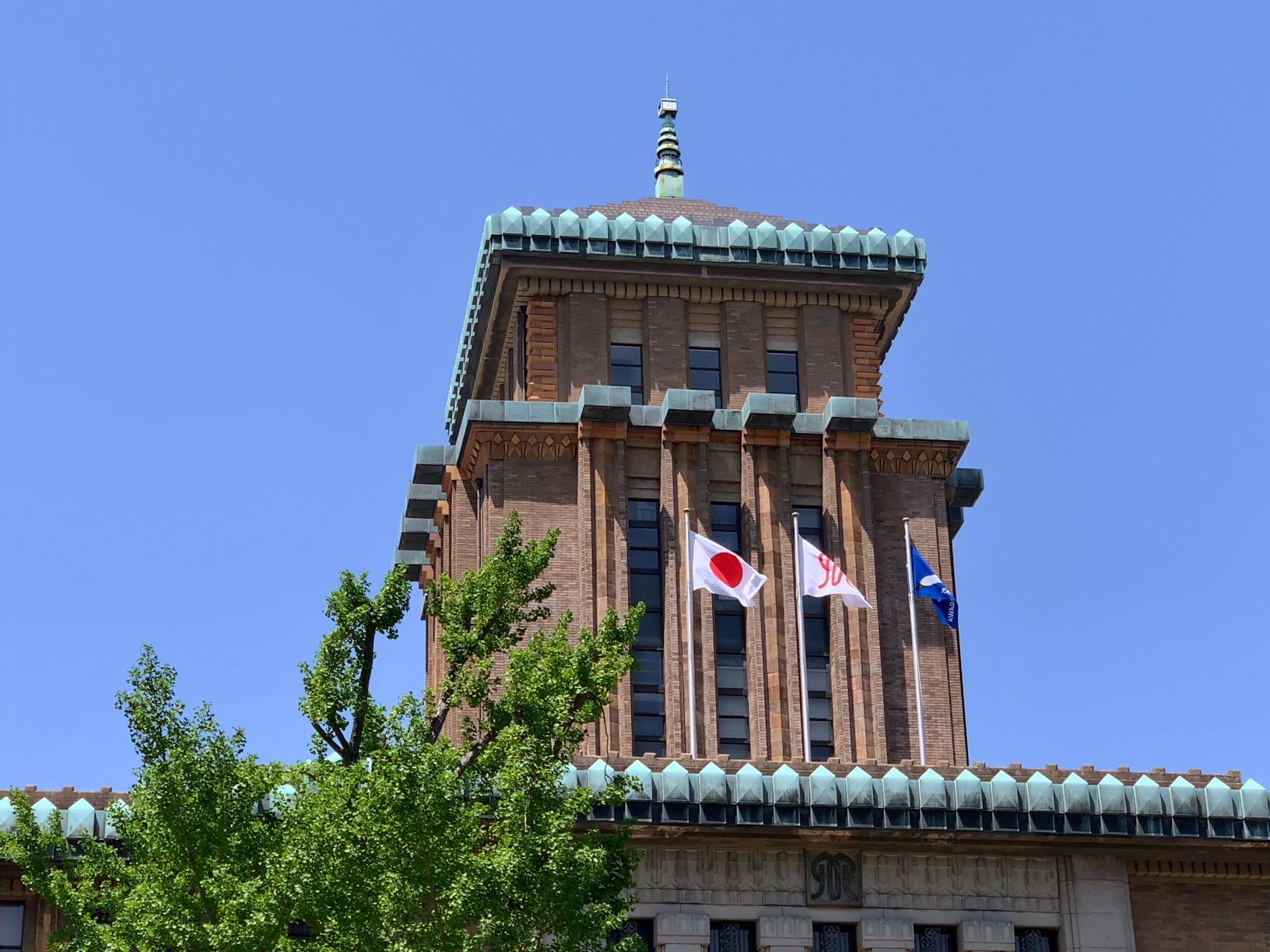
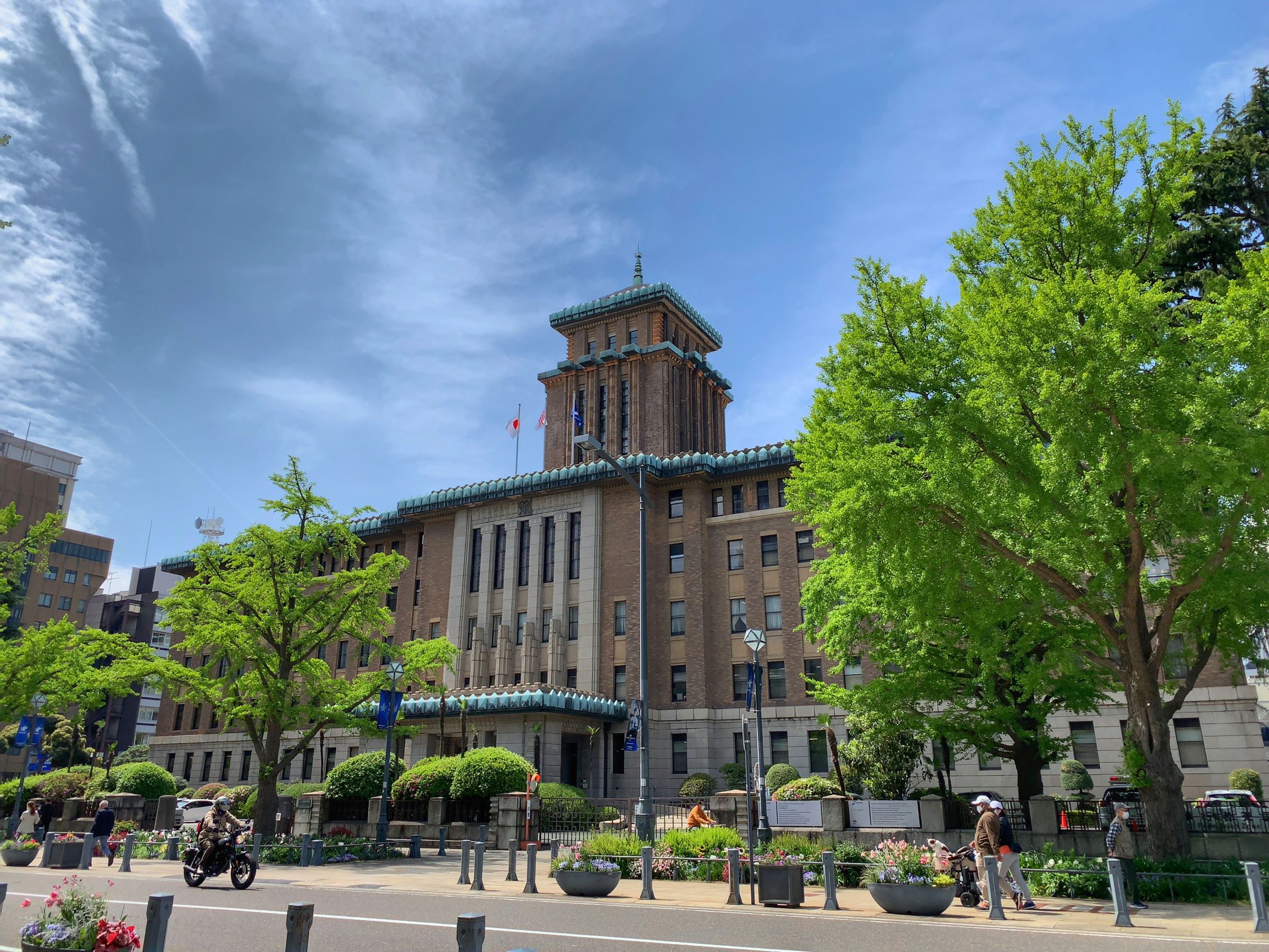
Kanagawa Prefectural Government Main Building, known as the nickname King, one of the Yokohama Three Towers, is the 4th generation building of the Kanagawa Prefectural Office.

That reinforced concrete building with excellent earthquake and fire resistance was completed in 1928 after the demolition of the 3rd one damaged by the Great Kanto Earthquake.

In the design competition, a rule required “the design that makes the building easy to be recognized from ships arriving and leaving Yokohama,” resulting in the idea of using a tower with a five-storied pagoda as a motif.
The design pioneered “Teikan Style,” literally meaning the imperial crown style, followed by many public buildings.

The building features Japanese and Western tastes, such as the Frank Lloyd Wright and the art deco designs popular at that time, giving a graceful impression.
With the kingly air, Kanagawa Prefectural Government Main Building is a landmark of Yokohama.

Kanagawa Prefectural Government Main Building
King's Tower
King’s Tower

カテゴリー
Architecture

Charms of Yokohama’s Modern Architecture

Yokohama is a beautiful harbor city, having a distinguished and exotic atmosphere.
Yokohama first appeared in history only 168 years ago when Commodore Matthew C. Perry landed on the desert village to end Japan’s seclusion policy held for over 200 years in the samurai era.
Shortly after that, Yokohama began developing as an international port town opened to Western countries.
Despite damaged by a great earthquake and WW II, the city has a beautiful landscape with a calm and comfortable atmosphere.

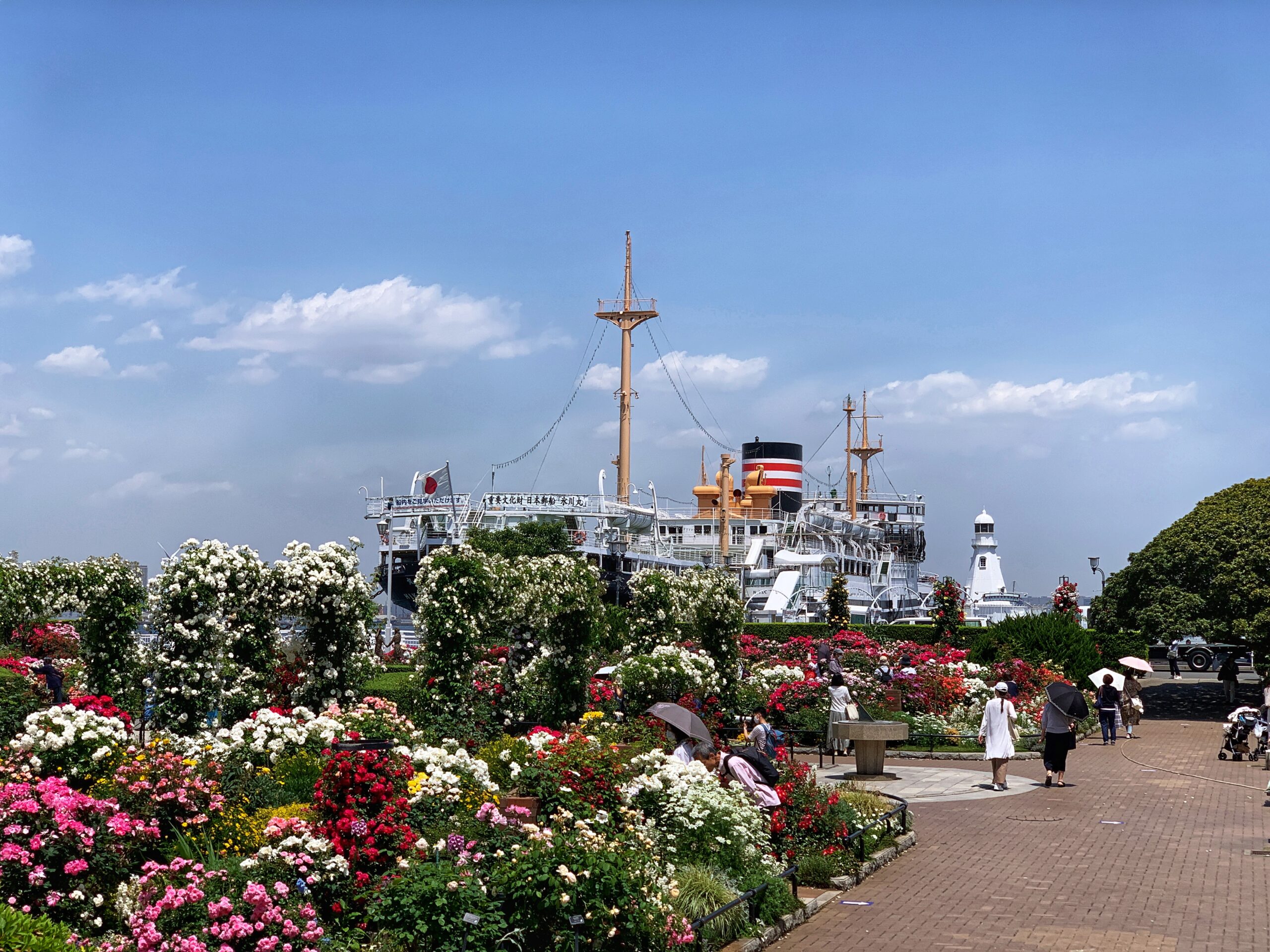
Yamashita Park
Yamashita Park

The charm of Yokohama

The charm of Yokohama lies in the exotic cityscape, a bit different from the other cities in Japan.
One of the elements is the modern architecture appearing in ordinary streets, with distinctive Western and Japanese designs, such as British-style brick buildings, classical banks, and churches with various motifs. Furthermore, the remains of the former foreign settlement are tucked in the streets.
By visiting them, your memories of Yokohama will be even more impressive.

Treasure trove of modern architecture

Since the port opening in 1859, many Western-style buildings have been built, suitable to the international port city, with prominent architects designing splendid buildings as if competing for their skills.
Unfortunately, many of the early buildings were damaged by the Great Kanto Earthquake in 1923, but some buildings still decorate the city beautifully.
They are the classical Meiji and Taisho structures surviving the earthquake, the gorgeous art deco buildings, the Showa modernist architecture from the postwar to the high-growth periods, and the latest post-modern architecture.
The representatives are the so-called Yokohama Three Towers: Yokohama Port Opening Memorial Hall “Jack,” Yokohama Customs Office “Queen,” and Kanagawa Prefectural Government Main Building “King.”

Kanagawa Prefectural Government Main Building

Witnesses to Yokohama’s history

Those precious buildings are witnesses of the town’s history, built along with Yokohama’s development.
Not only has a beautiful appearance, but exciting stories related to the background of the time, thoughts of the people involved in the construction, and memories of the people who used the structure.
Once you know the stories, the scenery of the buildings and surroundings will become more and more attractive.

Tracing the memories of the city while visiting the architecture

Many of Yokohama’s famous buildings are located near the harbor, in the area called Kannai, and are within a moderate distance to walk around.
You can trace the hidden memories of the city while walking the streets and visiting the buildings.
Suppose you carefully connect and interpret the traces, such as the industrial heritage, public spaces including Japan Boulevard and Yamashita Park, and the remains of the former foreign settlement, Yokohama’s sights in the past would loom up in your mind.

Nihon-ohdori Boulevard
カテゴリー
Tourism

Thinking of Future Tourism

COVID-19 has brought a significant impact on world tourism.
In my case, I haven’t had an opportunity to guide foreign guests since March 2020.

However, there is a bright sign due to the progress of vaccination worldwide. Recently, I’ve got messages from customers asking for guide services in the following spring.

I’m not sure how the recovery of tourism will be going. It might come slowly and gradually rather than returning rapidly to before the pandemic.
People would prefer traveling with family to a big group.

As a tour guide, I should look at a way of guiding to cope with the circumstances of the so-called “new normal.”

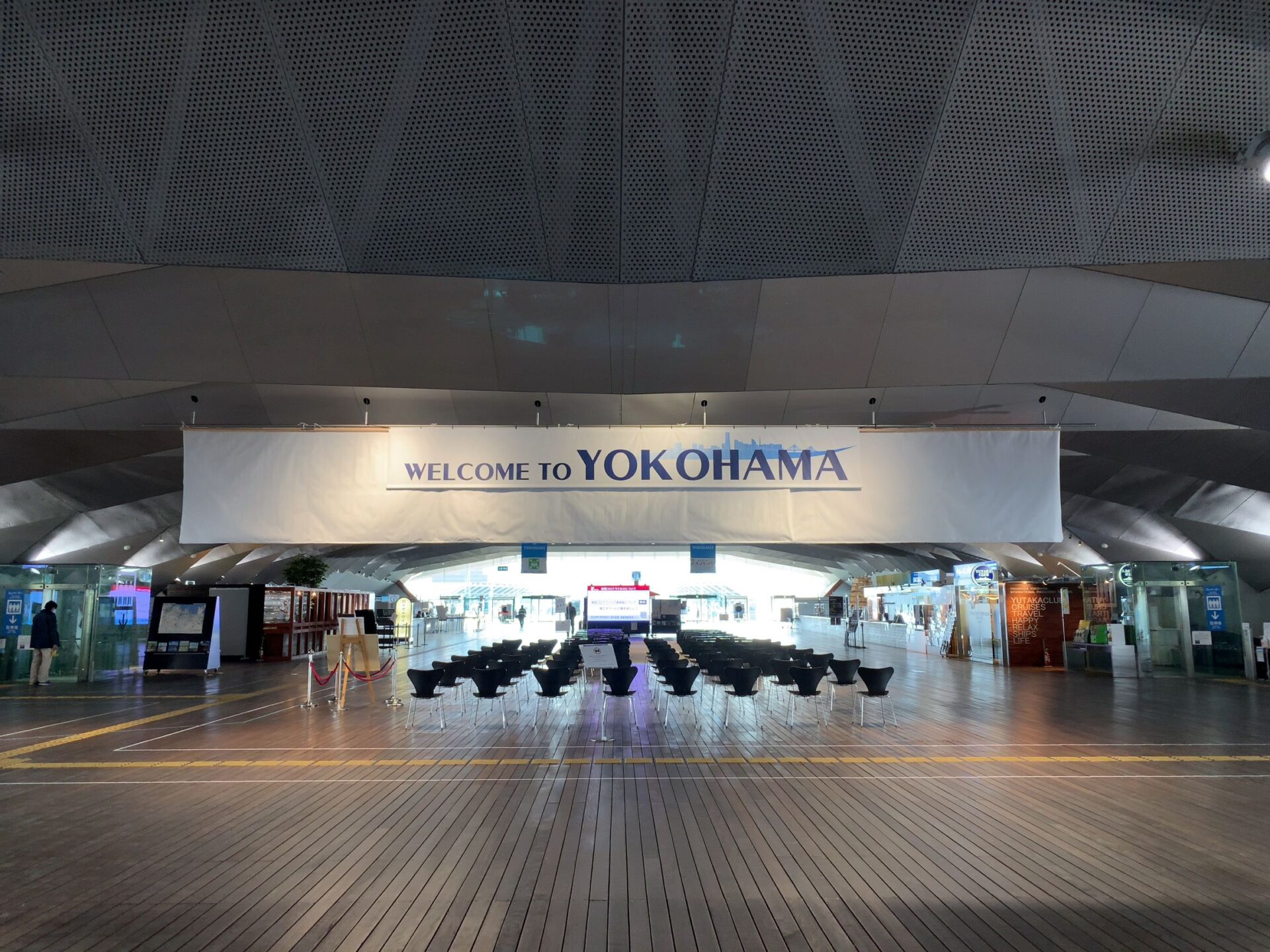
Osanbashi International Passenger Terminal
Empty Osanbashi International Passenger Terminal, Yokohama

First of all, people’s hygiene consciousness seems to have changed significantly.
The overseas tourists may conscious of the local COVID-19 situation, hygienic protocols, and customs.
I should study and understand those things to ensure the safety of my guests at each destination appropriately.

Next, the pandemic triggered us to raise awareness about the relationship between human beings and the natural environment.
Sustainable tourism seems to be getting attention even more among tourists.
For example, overtourism was a problem before COVID-19, negatively impacting local societies due to the excessive number of tourists.
Future tourists would not like to participate in a tour involving such a situation.

Let’s focus more on small sustainable tours that take the environment and people into account, using eco-conscious transportation, discovering amazing scenes and cultural secrets deeply associated with the areas, visiting restaurants with experienced cooks using the local ingredients, etc.

It will deepen the relationship between the tourists and communities and make tours memorable.

I’ve been focusing on guiding small groups such as a couple and family, valuing the genuineness of what to see, experience, taste, and buy, which cannot always be experienced in a big group tour.

I will continue to offer local tours emphasizing hygiene, safety, and sustainability, benefiting my guests and the locals.